Project interfaces / application briefs

Standing seam metal roofing: define the project interfaces

An application description becomes useful when it identifies support conditions, profile geometry and the parties who will approve the system. Our sourcing brief turns those interfaces into supplier questions.

Request Factory Quotes

Four procurement contexts to describe

These are illustrative buyer situations, not completed projects or verified performance examples. Each needs project-specific review.

Commercial roof context

Commercial new construction

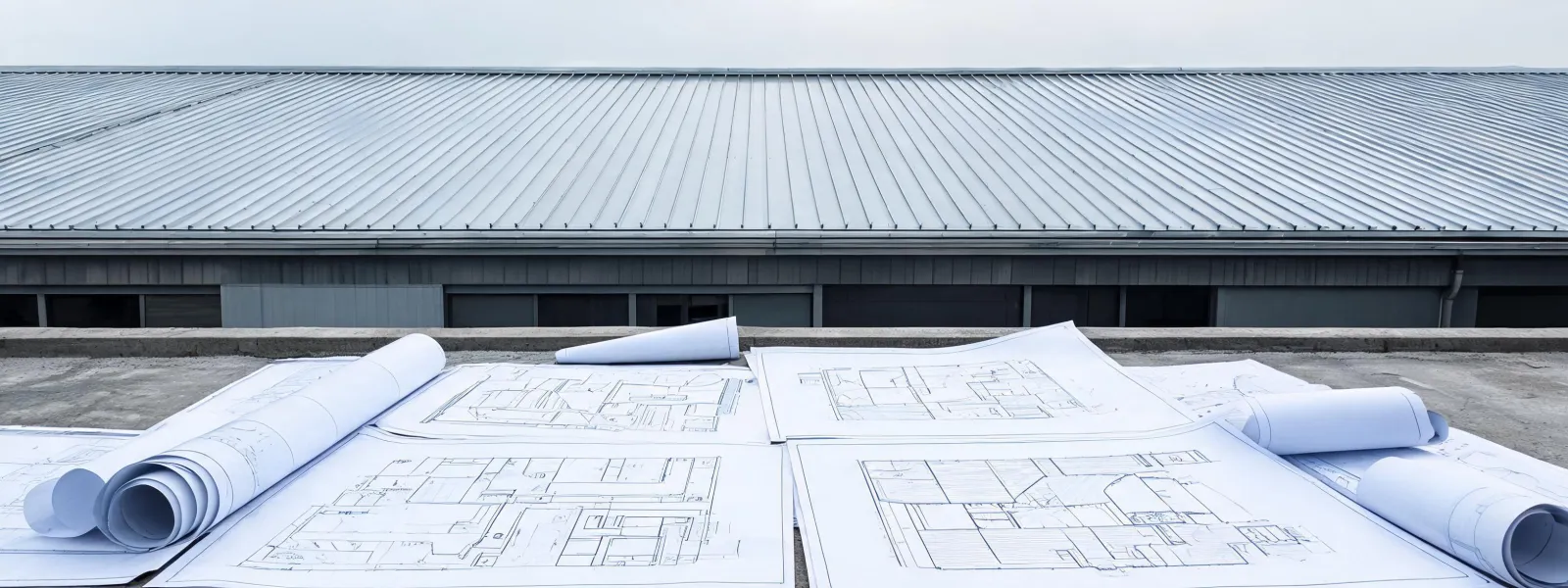
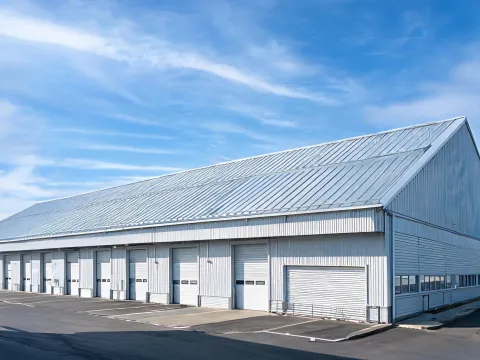
Describe the roof zones, structural support arrangement, slopes and penetrations from the approved design. Ask the proposed supplier to identify the matching seam geometry, clip interface and available panel length approach.

Keep performance-document requests tied to the proposed assembly. A panel family brochure does not establish suitability for a particular building or loading condition.

Replacement roofing context

Roof replacement

Record the existing profile, substrate condition and interfaces before asking for an alternative. Similar visible ribs do not prove that panels, clips or closures fit together.

Supply measured dimensions and drawings through an agreed channel after inquiry. Have the project reviewer resolve compatibility; sourcing coordination cannot substitute for a building survey.

Phased roofing delivery context

Phased site deliveries

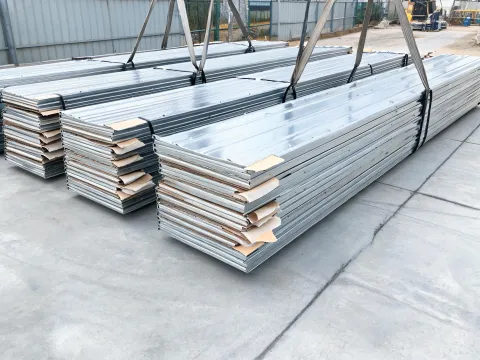
Separate panel counts and lengths by delivery phase. Discuss unloading access, bundle weight information and temporary storage constraints with the supplier and logistics provider before accepting a packing method.

A requested date is a planning input. Production availability, shipment timing and delivery arrangements require written confirmation for each proposal.

Importer roofing inspection context

Importer replenishment

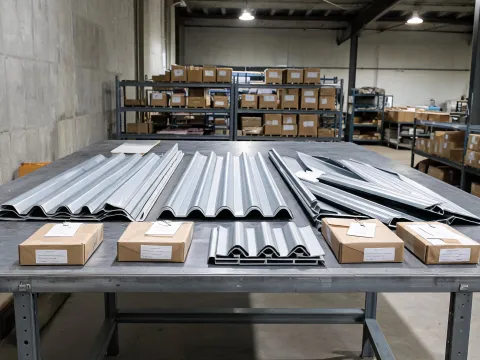
Distinguish a repeat finish from a newly approved color. Identify the coating designation, finish face and batch acceptance reference. Ask how packs identify panel lengths and protect edges.

Compare the same destination, currency and shipping scope. Freight, inspection, packing and service costs may sit outside the base material rate.

Resolve these choices before supplier comparison

Is gauge enough to compare two panels?

No. Request minimum thickness in mm or inch alongside gauge, clarify the thickness basis and identify the substrate and coating. A known gauge label and an unconfirmed measurement are different levels of information.

How should roof area and purchased quantity relate?

Record usable coverage width and scheduled panel length, then reconcile panel counts with the buyer's takeoff. Gross sheet width and covered width are not interchangeable. Waste, laps and allowances belong in the approved takeoff rather than an assumed sourcing calculation.

Should a budget preference change the technical brief?

A budget option may simplify color, packing or service, while a high-end preference may emphasize finish consistency and documentation. Neither preference authorizes a thinner material or changed interface without an explicit deviation and approval.

What does a sample fail to establish?

A small sample helps compare finish and geometry. It does not demonstrate full-length behavior, weather resistance or project compliance. Ask for the appropriate documents and let the responsible design team define the evidence required.
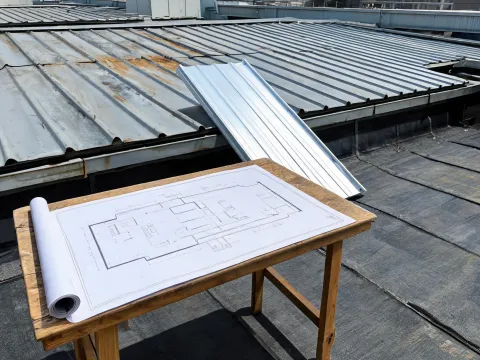
Specification questions draw on the Metal Sales PBR reference recorded in the September 22, 2026 research. That exposed-fastener reference is not proof of standing seam system performance.

Commercial roof project briefing

Describe the roof, then compare the offer

Review roofing inquiry options and send the application, profile, thickness, coating, quantity and destination. Flag unresolved design fields so they stay visible.